Key takeaways
- Creatine monohydrate is the best-supported supplement for lifters. Combined with training, it adds a little extra strength and lean mass on average, not a dramatic change.
- Take 3–5 g a day, every day, at any time. Loading (about 20 g a day for 5–7 days) only fills your muscles faster; after about four weeks the result is the same (Hultman et al., 1996).
- Expect a quick rise in body weight in the first week, mostly water inside the muscle. That is not fat.
- Kidney damage, hair loss, dehydration and cramps are not supported by the trials in healthy people at normal doses. If you have kidney disease, talk to your doctor first.
- Plain creatine monohydrate is the form to buy. No newer form has been shown to work better.
Creatine is the supplement with the most research behind it in sports nutrition, and it is one of the few that clearly works. That does not mean it builds a new physique on its own. It means that, if you train hard and eat well, creatine usually adds a modest amount of strength and muscle on top.
This review covers what creatine does, what the best studies show for muscle size and strength, how to take it, what to expect, and which side-effect worries hold up. It sits with our explanations of how muscle grows and the protein intake guide, because training and food still do most of the work.
Industry note: many creatine researchers, including several authors of the position stands and meta-analyses below, have worked with or advised companies that make creatine. The papers disclose this. The results are also broadly consistent across independent groups, but you should know it.
The short answer
| Question | Answer | Evidence |
|---|---|---|
| Does creatine build muscle? | Yes, a little more than training alone | Meta-analyses of RCTs (strong for lean mass; moderate, small effect, for imaging) |
| Does it increase strength? | Yes, on lifts like the bench press and squat | Meta-analyses of RCTs (strong) |
| How much? | 3–5 g a day | Position stands, loading studies |
| Do I need to load? | No; loading just works faster | Muscle biopsy study (see dosing below) |
| Is it safe? | Yes for healthy adults at normal doses | Position stands and reviews |
| Which form? | Monohydrate | Reviews of newer forms |
What creatine does
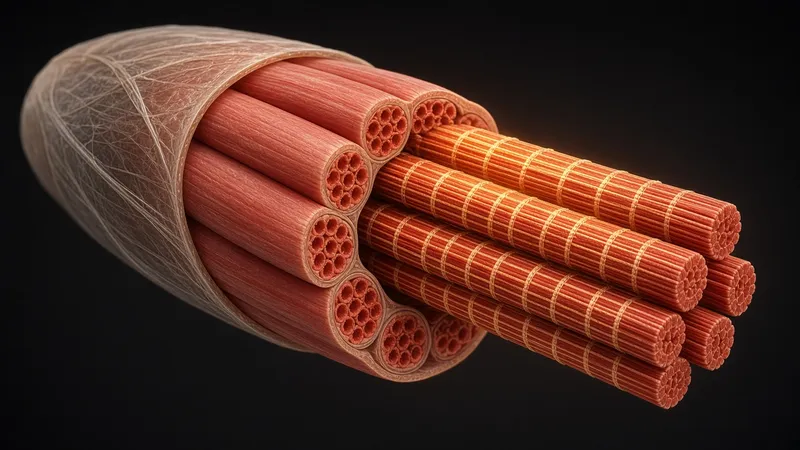
Creatine is made in the body and found in meat and fish. About 95% of the body’s creatine is stored in skeletal muscle, mostly as phosphocreatine. Muscle uses phosphocreatine to rebuild ATP, the cell’s energy currency, during short, hard efforts such as sprints and heavy sets (Kreider et al., 2017).
A normal diet supplies about 1–2 g of creatine a day and leaves muscle stores about 60–80% full. Supplementing raises muscle creatine and phosphocreatine by about 20–40% (Kreider et al., 2017). With fuller stores you can often do a little more work in hard sets, and that extra training work, repeated over weeks, is the most likely reason creatine adds muscle. Other possible mechanisms, such as effects on cell swelling and muscle stem cells, are less certain.
Creatine is not a hormone and not an anabolic steroid. Its chemical structure is completely different (Antonio et al., 2021).
What the research says
Muscle size
- Directly measured growth (small effect). Burke et al. (2023) pooled 10 randomised trials of at least six weeks that measured specific muscles with MRI, CT or ultrasound in healthy adults. Creatine plus training produced a very small extra increase in muscle size (pooled effect 0.11), about 0.10–0.16 cm more muscle thickness in the upper and lower body than training with a placebo. The benefit looked slightly bigger in younger than in older adults.
- Lean body mass (larger, partly water). Delpino et al. (2022) pooled 35 randomised trials with 1,192 participants. Creatine combined with resistance training increased lean body mass by about 1.1 kg more than training alone. Men gained about 1.5 kg extra, while the gain in women (about 0.3 kg) was not statistically significant. Creatine without exercise did nothing for lean mass.
- Older adults. Chilibeck et al. (2017) pooled 22 trials with 721 people aged on average 57–70 years. Creatine during resistance training added about 1.4 kg of lean tissue mass and more chest press and leg press strength.
Why the difference between “1 kg of lean mass” and “a very small effect on muscle thickness”? Lean body mass by DXA or similar methods includes water, and creatine pulls water into muscle. Direct imaging of the muscle itself shows a real but small extra effect. Both findings point the same way: creatine helps, modestly.
Evidence note: the imaging meta-analysis included only 10 trials, so its estimate is still uncertain. Several authors disclosed past or current links to creatine manufacturers.
Strength
- Upper body: Lanhers et al. (2017) pooled 53 studies and found that creatine improved upper-body strength, for example the bench press, compared with placebo, with a small overall effect. The benefit did not depend on age, sex, dose or training protocol in their analysis.
- Upper and lower body, newest data: Kazeminasab et al. (2025) pooled 69 trials with 1,937 participants. With resistance training, creatine added about 1.4 kg to bench or chest press strength and about 5.6 kg to squat strength compared with placebo. The effects were clearest in younger adults and men. Leg press and handgrip did not improve significantly.
A few extra kilos on the bar over a training block is not a miracle. But it is a reliable, cheap boost, and stronger lifts usually mean more progressive overload over time.
Women
Fewer trials include women, and results are more mixed. In the meta-analyses above, the lean-mass and some strength effects were smaller or not significant in women (Delpino et al., 2022; Kazeminasab et al., 2025). A review of creatine in women’s health concluded that creatine appears to improve strength and exercise performance in premenopausal women, and that postmenopausal women may benefit for muscle and bone when it is combined with resistance training (Smith-Ryan et al., 2021). The practical advice is the same for everyone: 3–5 g a day.
Older lifters
This is one of the most promising uses. In older adults, creatine plus training added lean mass and strength in the Chilibeck meta-analysis, although the imaging and newest strength analyses found smaller effects in older than in younger adults. For the health side of creatine with age, see Related on Grow My Lifespan: creatine for older adults.
How to take creatine
The simple protocol
| Situation | Dose | Notes |
|---|---|---|
| Standard (recommended) | 3–5 g a day, every day | Stores fill over about 3–4 weeks |
| Fast start (loading) | About 20 g a day in 4 doses of 5 g, for 5–7 days, then 3–5 g a day | Fills stores in about a week; more stomach upset and faster water gain |
| Larger, very muscular lifters | 5 g a day; some may need up to 5–10 g | Maintenance needs may scale with muscle mass |
| Vegetarians and vegans | 3–5 g a day | Lower starting stores, so often a bigger response |
The loading and daily-dose numbers come from the ISSN position stand (Kreider et al., 2017). The original muscle-biopsy study showed that 20 g a day for six days raised muscle creatine by about 20%, and that 3 g a day reached the same level more slowly, over 28 days. After loading, 2 g a day was enough to keep stores high for another 30 days (Hultman et al., 1996). When you stop, muscle creatine falls back to baseline over about a month.
Timing
Timing matters very little. The most quoted timing study had 19 recreational male bodybuilders take 5 g just before or just after training for four weeks. Changes in fat-free mass and bench press strength were not significantly different between the two groups, although a “magnitude-based” analysis favoured post-workout (Antonio and Ciccone, 2013). That is weak evidence. Take it at a time you will remember, such as with a meal.
With food or water?
Either works. Taking it with a meal that contains carbohydrate and protein may increase how much creatine your muscles retain (Kreider et al., 2017), but the main thing is to take it every day.
Responders and non-responders
Not everyone responds the same. In a small study of 11 men, those with the lowest starting creatine levels and the most type II (fast) muscle fibres had the largest increase in muscle creatine after a 5-day load; those with already high levels barely changed (Syrotuik and Bell, 2004). Vegetarians tend to start lower and respond more. In an 8-week training trial, vegetarians on creatine gained more muscle creatine and lean tissue than meat-eaters on creatine (Burke et al., 2003).
If you eat a lot of meat and fish, your response may be smaller. There is no simple test for this at home, so the practical approach is to take it for at least 8–12 weeks and judge it by your training log, not the mirror.
Which form of creatine?
| Form | Evidence | Verdict |
|---|---|---|
| Creatine monohydrate | Hundreds of studies; the reference form | Buy this |
| Micronised monohydrate | Same molecule, finer powder; mixes better | Fine, same effect |
| Creatine HCl | Dissolves better; not shown to work better | No advantage |
| Buffered creatine | One trial vs monohydrate found no extra benefit | No advantage |
| Creatine ethyl ester | Studies show no benefit over monohydrate | Avoid |
| Liquid creatine and creatine “serums” | Creatine is not stable in solution and breaks down to creatinine | Avoid |
Reviews of newer forms find little to no evidence that any of them is more effective or safer than monohydrate (Jäger et al., 2011; Antonio et al., 2021). Choose a product that lists creatine monohydrate as the only ingredient, ideally with third-party testing if you compete in tested sport.
Side effects and myths
Weight gain and water
The only consistently reported side effect is weight gain (Kreider et al., 2017). Early loading studies found about 0.5–1.0 litres of extra fluid, mostly held inside muscle. Over longer periods, studies suggest total body water stays in proportion to muscle mass (Antonio et al., 2021). Creatine does not increase fat mass.
Hair loss
This fear comes from one study. In 20 college rugby players, a 3-week creatine protocol raised dihydrotestosterone (DHT), a hormone linked to male-pattern hair loss, without measuring hair (van der Merwe et al., 2009). A 2025 randomised trial tested it directly: 38 resistance-trained men who completed 12 weeks of 5 g a day showed no differences from placebo in DHT, the DHT-to-testosterone ratio, or hair density and thickness (Lak et al., 2025). Hair loss from creatine is not supported by current evidence.
Kidneys
A meta-analysis of studies on creatine and kidney function concluded that creatine did not cause kidney damage at the amounts and durations studied (de Souza e Silva et al., 2019). Blood creatinine, a common kidney marker, can rise slightly, because creatinine is the breakdown product of creatine and depends on muscle mass. That can make a routine blood test look worse than your kidneys really are (Antonio et al., 2021). Tell your doctor you take creatine before a kidney test. If you already have kidney disease, don’t take creatine without medical advice.
Dehydration and cramps
Reviews of the controlled studies do not support the claim that creatine causes dehydration or muscle cramps (Antonio et al., 2021). Drink normally.
Long-term safety
The ISSN position stand reports that short- and long-term use, up to 30 g a day for five years, has been safe and well tolerated in healthy people (Kreider et al., 2017). Normal doses of 3–5 g a day are far below that.
What to expect, week by week
| Time | What usually happens |
|---|---|
| Week 1 | With loading: a quick rise in body weight, mostly water. Without loading: little change |
| Weeks 2–4 | Muscle stores fill (standard dose). Some lifters notice an extra rep on hard sets |
| Months 2–3 | Small extra strength gains show in your log, especially on compound lifts |
| Long term | Modest extra lean mass compared with training alone, if training and food are on point |
Track the reps you get at a fixed load on lifts like the bench press and back squat. That is more useful than the scale, which mainly shows water at the start.
Make it better
- Pair it with a real program. Creatine without training did nothing for lean mass in the meta-analysis (Delpino et al., 2022). Use it alongside a structured plan such as our push/pull/legs program.
- Keep protein high. Creatine adds on top of good nutrition; it does not replace it.
- Don’t cycle it. We know of no good evidence that taking breaks improves the effect. Stores just fall back to baseline when you stop.
Common mistakes
- Expecting a dramatic transformation. Fix: expect a small, steady edge in strength and size.
- Judging it by the first week on the scale. Fix: early weight is mostly water; judge it by your training log after 8–12 weeks.
- Paying extra for “advanced” forms. Fix: buy plain monohydrate.
- Taking it only on training days. Fix: take it daily, so stores stay full.
- Stopping because of the hair-loss or kidney myth. Fix: read the evidence above; talk to your doctor if you have an existing condition.
- Loading with a sensitive stomach. Fix: skip loading or split the dose; 3–5 g a day works just as well after a few weeks.
Creatine vs other popular supplements
| Supplement | Effect on muscle growth | Evidence | Worth it? |
|---|---|---|---|
| Creatine monohydrate | Small, reliable extra gain in strength and lean mass | Strong | Yes |
| Protein powder | Helps only if it raises your daily protein | Strong (as food) | If you struggle to hit your target |
| Caffeine | Can improve a single session; no direct growth effect | Moderate | Optional |
| “Test boosters” and most stacks | No reliable effect | Weak | No |
For protein, see the protein intake guide; the main daily target is what matters, not the powder.
Safety notes
Talk to your doctor before using creatine if you have kidney disease, diabetes with kidney involvement, are pregnant or breastfeeding, take medication that affects the kidneys, or are under 18. Reviews suggest creatine looks safe in adolescents, but the evidence is limited (Antonio et al., 2021), and teenagers should focus on training, food and sleep first. If you compete in drug-tested sport, use a third-party tested product. For the kidney question in more depth, see Related on Grow My Lifespan: does creatine damage the kidneys?
FAQ
Does creatine actually build muscle?
Yes, a little. With resistance training, creatine increases lean body mass more than training alone (Delpino et al., 2022), and imaging studies show a small extra increase in muscle size (Burke et al., 2023). Part of the early weight gain is water.
How much creatine should I take a day?
3–5 g of creatine monohydrate a day. If you want faster results, you can load with about 20 g a day split into four doses for 5–7 days, then drop to 3–5 g (Kreider et al., 2017).
Do I need a loading phase?
No. Loading fills your muscles in about a week; 3 g a day reaches the same level in about four weeks (Hultman et al., 1996).
When is the best time to take creatine?
Any time. The evidence for before versus after training is weak (Antonio and Ciccone, 2013). Take it daily at a time you will remember.
Does creatine cause hair loss?
The current evidence says no. A 12-week randomised trial found no changes in DHT or hair measures compared with placebo (Lak et al., 2025).
Is creatine bad for your kidneys?
Not in healthy people at normal doses, according to the controlled studies (de Souza e Silva et al., 2019). It can slightly raise blood creatinine, so tell your doctor if you have a blood test. People with kidney disease should ask their doctor first.
Does creatine work for women?
It appears to help strength and performance, although the effects in women were smaller or less consistent in the meta-analyses (Delpino et al., 2022; Kazeminasab et al., 2025). The dose is the same.
The bottom line
Creatine monohydrate is cheap, safe for healthy adults and backed by many trials. It won’t replace hard training, enough protein or good sleep, but it reliably adds a small edge in strength and muscle. Take 3–5 g a day, keep taking it, and judge it by your training log.
References
- Kreider RB, Kalman DS, Antonio J, et al. International Society of Sports Nutrition position stand: safety and efficacy of creatine supplementation in exercise, sport, and medicine. J Int Soc Sports Nutr. 2017;14:18. doi:10.1186/s12970-017-0173-z. PubMed: 28615996 ↩
- Antonio J, Candow DG, Forbes SC, et al. Common questions and misconceptions about creatine supplementation: what does the scientific evidence really show? J Int Soc Sports Nutr. 2021;18(1):13. doi:10.1186/s12970-021-00412-w. PubMed: 33557850 ↩
- Burke R, Piñero A, Coleman M, et al. The Effects of Creatine Supplementation Combined with Resistance Training on Regional Measures of Muscle Hypertrophy: A Systematic Review with Meta-Analysis. Nutrients. 2023;15(9):2116. doi:10.3390/nu15092116. PubMed: 37432300 ↩
- Delpino FM, Figueiredo LM, Forbes SC, et al. Influence of age, sex, and type of exercise on the efficacy of creatine supplementation on lean body mass: A systematic review and meta-analysis of randomized clinical trials. Nutrition. 2022;103-104:111791. doi:10.1016/j.nut.2022.111791. PubMed: 35986981 ↩
- Chilibeck PD, Kaviani M, Candow DG, Zello GA. Effect of creatine supplementation during resistance training on lean tissue mass and muscular strength in older adults: a meta-analysis. Open Access J Sports Med. 2017;8:213-226. doi:10.2147/OAJSM.S123529. PubMed: 29138605 ↩
- Lanhers C, Pereira B, Naughton G, et al. Creatine Supplementation and Upper Limb Strength Performance: A Systematic Review and Meta-Analysis. Sports Med. 2017;47(1):163-173. doi:10.1007/s40279-016-0571-4. PubMed: 27328852 ↩
- Kazeminasab F, Kerchi AB, Sharafifard F, et al. The Effects of Creatine Supplementation on Upper- and Lower-Body Strength and Power: A Systematic Review and Meta-Analysis. Nutrients. 2025;17(17):2748. doi:10.3390/nu17172748. PubMed: 40944139 ↩
- Smith-Ryan AE, Cabre HE, Eckerson JM, Candow DG. Creatine Supplementation in Women’s Health: A Lifespan Perspective. Nutrients. 2021;13(3):877. doi:10.3390/nu13030877. PubMed: 33800439 ↩
- Hultman E, Söderlund K, Timmons JA, Cederblad G, Greenhaff PL. Muscle creatine loading in men. J Appl Physiol (1985). 1996;81(1):232-237. doi:10.1152/jappl.1996.81.1.232. PubMed: 8828669
- Antonio J, Ciccone V. The effects of pre versus post workout supplementation of creatine monohydrate on body composition and strength. J Int Soc Sports Nutr. 2013;10:36. doi:10.1186/1550-2783-10-36. PubMed: 23919405 ↩
- Syrotuik DG, Bell GJ. Acute creatine monohydrate supplementation: a descriptive physiological profile of responders vs. nonresponders. J Strength Cond Res. 2004;18(3):610-617. doi:10.1519/12392.1. PubMed: 15320650 ↩
- Burke DG, Chilibeck PD, Parise G, et al. Effect of creatine and weight training on muscle creatine and performance in vegetarians. Med Sci Sports Exerc. 2003;35(11):1946-1955. doi:10.1249/01.MSS.0000093614.17517.79. PubMed: 14600563 ↩
- Jäger R, Purpura M, Shao A, Inoue T, Kreider RB. Analysis of the efficacy, safety, and regulatory status of novel forms of creatine. Amino Acids. 2011;40(5):1369-1383. doi:10.1007/s00726-011-0874-6. PubMed: 21424716
- van der Merwe J, Brooks NE, Myburgh KH. Three weeks of creatine monohydrate supplementation affects dihydrotestosterone to testosterone ratio in college-aged rugby players. Clin J Sport Med. 2009;19(5):399-404. doi:10.1097/JSM.0b013e3181b8b52f. PubMed: 19741313 ↩
- Lak M, Forbes SC, Ashtary-Larky D, et al. Does creatine cause hair loss? A 12-week randomized controlled trial. J Int Soc Sports Nutr. 2025;22(sup1):2495229. doi:10.1080/15502783.2025.2495229. PubMed: 40265319 ↩
- de Souza E Silva A, Pertille A, Reis Barbosa CG, et al. Effects of Creatine Supplementation on Renal Function: A Systematic Review and Meta-Analysis. J Ren Nutr. 2019;29(6):480-489. doi:10.1053/j.jrn.2019.05.004. PubMed: 31375416 ↩