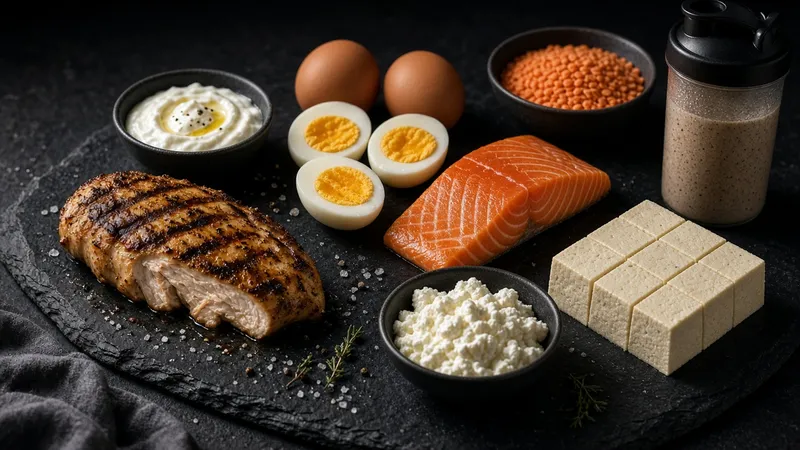
Every Way of Eating for Muscle Growth, Explained by the Research
Lean bulk, recomp, high-protein, keto, fasting and vegan diets compared for muscle growth: what the studies show, and who each approach actually suits.
Key takeaways
- Protein comes first: about 1.6 g/kg/day captures most of the benefit for muscle; going up to ~2.2 g/kg is a reasonable safety margin (Morton 2018; Nunes 2022).
- A small surplus beats a big one. Bigger surpluses mostly add fat, not muscle (Garthe 2013; Helms 2023). Aim to gain roughly 0.25–0.5% of body weight per week.
- Diet style matters less than you think. Intermittent fasting and vegan diets supported similar muscle gain in trials when calories and protein were matched.
- Keto is a poor fit for maximum muscle gain: in a surplus, the ketogenic group gained no muscle while the non-keto group did (Vargas 2018).
- Spread protein over 3–6 meals of roughly 0.4–0.55 g/kg each. Meal frequency itself has little effect once total intake is right.
There are dozens of ways to eat for muscle growth, and each one has passionate fans. Some say you must “eat big to get big”. Others swear by keto, fasting, carb cycling or plants only. This pillar guide sorts through all of the major approaches and asks one question about each: what does the research actually show for building muscle?
We cover ten strategies: lean bulking, dirty bulking, body recomposition, high-protein diets, keto and low-carb, intermittent fasting, vegan and plant-based eating, carb cycling, mini-cuts and meal frequency. Each section ends with an honest evidence rating, and you’ll find a comparison table and a “who it suits” guide at the end.
Evidence note: Nutrition studies on muscle growth are usually small (often 15–40 people), short (6–12 weeks) and measure lean mass with methods like DXA that cannot tell muscle from water and glycogen. We flag weak or conflicting evidence throughout. Treat any single study as a data point, not a verdict.
The fundamentals that apply to every diet
Before comparing diets, it helps to know the factors that matter regardless of which one you follow.
1. Total protein intake
The strongest evidence in muscle nutrition concerns daily protein. A meta-analysis of 49 studies with 1,863 participants found that protein supplementation increased gains in fat-free mass during resistance training, but beyond about 1.62 g/kg/day there was no further benefit on average (Morton et al., 2018). A larger 2022 meta-analysis of 74 randomized trials reached a similar conclusion: higher protein intake gave a small increase in lean mass, and adults under 65 who did resistance training benefited from ≥1.6 g/kg/day (Nunes et al., 2022).
The International Society of Sports Nutrition (ISSN) recommends 1.4–2.0 g/kg/day for most exercising people and notes that 2.3–3.1 g/kg/day may help preserve lean mass during calorie restriction (Jäger et al., 2017).
2. Energy balance
Building muscle is easier when you eat slightly more than you burn, but the right size of the surplus is uncertain. A review of the area concluded that the energy surplus needed to maximize muscle growth is not known (Slater et al., 2019). Practical guidelines for natural bodybuilders suggest a surplus that leads to a gain of about 0.25–0.5% of body weight per week, with protein at 1.6–2.2 g/kg, fat at 0.5–1.5 g/kg and carbohydrate at ≥3–5 g/kg (Iraki et al., 2019).
3. Training
No diet builds muscle without a training stimulus. The sets-per-week guide and our training splits pillar cover that side.
Lean bulk
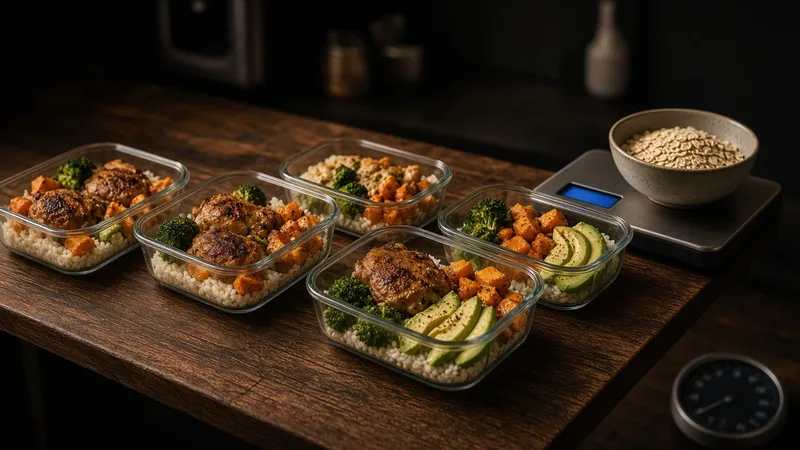
What it is: Eating a small, controlled calorie surplus — usually around 5–15% above maintenance — while training hard, with the aim of gaining muscle and minimizing fat.
What the research says:
- In Garthe et al. (2013), elite athletes were randomized to a dietitian-planned surplus or to eating as they liked for 8–12 weeks. The planned group ate more (3,585 vs 2,964 kcal/day) and gained more weight (+3.9% vs +1.5%), but most of the extra was fat (fat mass +15% vs +3%); lean mass gains did not differ between the groups.
- In Helms et al. (2023), trained lifters were randomized to maintenance, a 5% surplus or a 15% surplus for eight weeks. Only 17 completed (COVID-19 cut the sample). The authors concluded that faster weight gain mainly increased fat gain (skinfolds), not muscle thickness or squat strength, though the biceps — the most trained muscle — may have benefited slightly.
- Expert guidelines recommend gaining 0.25–0.5% of body weight per week, the lower end for more advanced lifters (Iraki et al., 2019).
How to do it: Estimate maintenance (track intake and weight for two weeks), add about 200–300 kcal/day, and adjust every 2–4 weeks based on the weekly average weight trend. An 80-kg lifter targeting 0.25–0.5%/week would aim for about 0.2–0.4 kg per week.
Evidence rating: Moderate. The principle (small surplus ≈ less fat, similar muscle) is consistent, but the trials are small.
Who it suits: Almost everyone who wants to add size without needing long fat-loss phases afterward. Deep dive: lean bulking.
Dirty bulk
What it is: Eating as much as possible — often whatever is convenient, including lots of fast food — to maximize weight gain.
What the research says:
- There are no trials of “dirty bulking” as such, but surplus studies are informative. The large-surplus groups in Garthe et al. (2013) and Helms et al. (2023) gained more fat without measurably more muscle.
- In a tightly controlled metabolic-ward study, Bray et al. (2012) overfed 25 healthy (non-training) adults by about 40% (≈954 kcal/day) for eight weeks. Fat gain was similar regardless of protein content; lean mass increased by 2.87 kg and 3.18 kg on the normal- and high-protein diets, while the low-protein group gained much less weight overall (3.16 kg vs about 6 kg). Calories drove fat gain; protein drove lean-mass gain.
Why people do it: For very lean, “hard-gaining” young lifters who struggle to eat enough, a larger surplus can be easier than precise tracking. The price is more fat, and with it a longer diet later.
Evidence rating: Indirect, but it consistently points the same way — beyond a modest surplus, extra calories mainly add fat.
Who it suits: Very few people. If you truly cannot gain weight, increase calories gradually with calorie-dense whole foods instead. Deep dive: dirty bulk vs lean bulk.
Body recomposition
What it is: Losing fat and gaining muscle at the same time, usually by eating at or slightly below maintenance with high protein and hard training.
What the research says:
- Recomposition happens readily in beginners, returning lifters and people with more body fat. But it can also happen in trained people: in Longland et al. (2016), young men ate about 40% below their energy needs for four weeks while training six days a week. The group eating 2.4 g/kg of protein gained 1.2 kg lean mass and lost 4.8 kg of fat; the 1.2 g/kg group gained only 0.1 kg lean mass and lost 3.5 kg of fat.
- In trained men and women, Antonio et al. (2015) found that a 3.4 g/kg/day group lost more fat (−1.7 vs −0.3 kg) than a 2.3 g/kg/day group, while both gained the same fat-free mass (+1.5 kg) — even though the high-protein group ate more calories.
Evidence note: Longland et al. used a very aggressive deficit and a demanding training program for only four weeks, in young men. The results show what’s possible, not what to expect every month.
Evidence rating: Moderate. Recomposition is real, especially with high protein; it is slower for well-trained, lean lifters.
Who it suits: Beginners, people returning after a break, lifters with moderate-to-high body fat, and anyone who dislikes bulking and cutting cycles. Deep dive: body recomposition.
High-protein diets
What it is: Eating well above the “optimal” protein threshold — often 2.5–4.4 g/kg/day.
What the research says:
- Most of the benefit of protein on muscle growth is captured around 1.6 g/kg/day, and the full Morton et al. (2018) paper reports a 95% confidence interval for that breakpoint stretching up to about 2.2 g/kg/day — which is why many coaches use 1.6–2.2 g/kg as a target.
- Antonio et al. (2014) gave resistance-trained people 4.4 g/kg/day for eight weeks. Despite eating significantly more protein and calories, they gained no body fat — and also no extra fat-free mass compared with controls.
- In the follow-up (Antonio et al., 2015), 3.4 g/kg/day led to more fat loss than 2.3 g/kg/day with the same fat-free-mass gains.
- During calorie restriction, higher intakes appear more important: 2.3–3.1 g/kg of lean body mass for lean athletes dieting for contests (Helms et al., 2014), and 2.4 vs 1.2 g/kg in Longland et al. (2016).
Practical upside: Protein is very filling. That helps during a diet but can make it hard to eat enough during a bulk.
Evidence rating: Strong that ≥1.6 g/kg is enough for growth; moderate that higher intakes help in a deficit; no good evidence that very high intakes build more muscle.
Who it suits: Lifters dieting for fat loss, people who struggle with hunger, and anyone who simply prefers protein-rich food. Deep dives: how much protein per day and high-protein diets.
Keto and low-carb diets
What it is: Ketogenic diets cut carbohydrate to about 50 g/day or less (often under 10% of calories) to induce ketosis; “low-carb” covers less extreme restriction.
What the research says:
- Vargas et al. (2018): 24 trained men did eight weeks of training in a calorie surplus. The ketogenic group lost fat but gained no muscle (−0.1 kg), whereas the non-ketogenic group increased muscle mass. The authors concluded keto “might not be useful to increase muscle mass during positive energy balance”.
- Greene et al. (2018): competitive powerlifters and weightlifters ate keto ad libitum for three months in a crossover study. They lost body mass (−3.26 kg) and lean mass (−2.26 kg) compared with their usual diet — yet lifting performance was maintained.
- Wilson et al. (2020): college-aged men on keto or a Western diet for ten weeks of training both gained lean mass, but less on keto (+2.4% vs +4.4%). After carbohydrates were reintroduced in week 11, keto LBM rose another 4.8%.
Evidence note: The week-11 “jump” in Wilson et al. most likely reflects water and glycogen refilling, not new muscle, because DXA counts both as lean mass. The same issue makes keto look worse for lean mass in the short term than it may be for actual muscle tissue. Interpret all keto lean-mass data cautiously.
Evidence rating: Moderate. Keto does not appear to harm strength in the short term, but evidence leans toward less muscle gain, especially in a surplus. Carbohydrates also fuel high-volume training.
Who it suits: Weight-class athletes who need to drop body mass while keeping strength, or people who genuinely feel and adhere better on low-carb — not those whose main goal is maximum muscle gain. Deep dive: keto and low-carb for lifters.
Intermittent fasting (time-restricted eating)
What it is: Eating all your food within a set window — commonly 16:8 (16 hours fasting, 8 hours eating) — or fasting on certain days.
What the research says:
- Moro et al. (2016): 34 resistance-trained men ate the same calories either in an 8-hour window (16/8) or across the day for eight weeks. The fasting group lost fat while maintaining fat-free mass, muscle area and strength. However, testosterone and IGF-1 decreased in the fasting group.
- Tinsley et al. (2017): recreationally active young men ate within a 4-hour window on four days a week. They ate about 650 kcal less on fasting days. Muscle cross-sectional area increased in both groups, but effect sizes suggested more lean tissue gain (+2.3 kg) in the group that ate normally.
- Tinsley et al. (2019): resistance-trained women eating within ~7.5 hours/day vs ~13 hours/day, with protein matched at 1.6 g/kg/day, gained similar fat-free mass (+2–3%), similar muscle size and strength.
The pattern: When calories and protein are matched, IF seems to support muscle growth about as well as regular eating. When IF reduces calories (as it usually does in real life), muscle gain may be smaller — which can be a benefit if fat loss is the goal.
Evidence note: All three trials lasted eight weeks with 20–40 participants. The drop in testosterone and IGF-1 in Moro et al. has not been shown to affect muscle outcomes over eight weeks, but long-term data are lacking.
Evidence rating: Moderate for “doesn’t hurt if protein and calories are matched”.
Who it suits: People who prefer fewer, larger meals or who find it easier to control calories with an eating window — particularly during a cut or recomp. Deep dive: intermittent fasting and muscle.
Vegan and plant-based eating
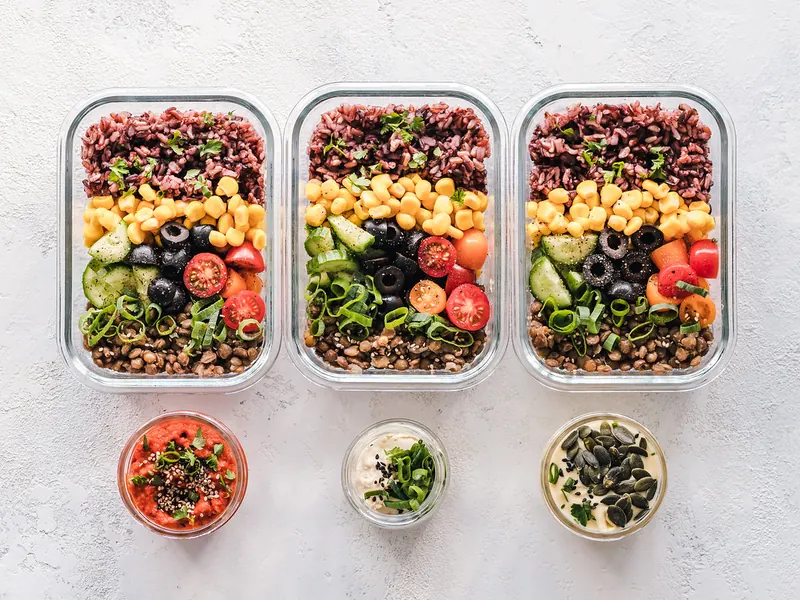
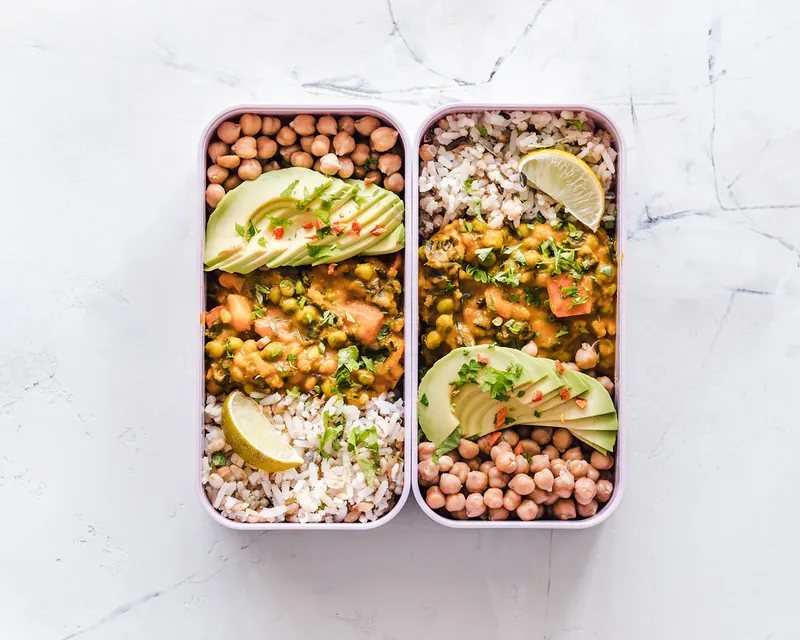
What it is: Getting all (vegan) or most (plant-based) protein from plants — legumes, soy, grains, seeds and plant protein powders.
What the research says:
- Short-term lab studies show that plant proteins such as soy and wheat generally cause a lower muscle protein synthesis response than equal amounts of animal protein, due to less leucine, lower digestibility and incomplete amino acid profiles. This can be compensated for by eating more protein, blending different plant proteins, or fortifying with amino acids (Pinckaers et al., 2021).
- In the long-term trial that matters most, Hevia-Larraín et al. (2021) compared habitual vegans with omnivores (19 young men each) on a 12-week training program, with protein adjusted to 1.6 g/kg/day (soy for vegans, whey for omnivores). Gains in leg lean mass (1.2 kg in both), muscle cross-sectional area and strength did not differ.
- A meta-analysis of 9 studies (266 participants) found soy protein supplementation produced similar gains in strength and lean mass as animal protein, including whey (Messina et al., 2018).
Evidence note: The participants in Hevia-Larraín et al. were untrained, and the trial was retrospectively registered. Results may differ for advanced lifters eating mainly whole plant foods without protein powder.
Evidence rating: Moderate. With enough total protein, a plant-based diet appears to support muscle growth as well as a mixed diet.
How to do it well: Aim for the upper half of protein targets (around 1.8–2.2 g/kg), combine sources (soy, pea, lentils, beans, grains), and consider a soy or pea-rice protein powder. Deep dive: vegan bodybuilding.
Carb cycling
What it is: Alternating high-carb days (usually training days) with low-carb days (rest days), with fat often adjusted in the opposite direction.
What the research says: We found no randomized controlled trials that test carb cycling for muscle growth. The idea rests on the reasonable but untested assumption that matching carbs to training demands improves performance and partitioning.
The closest evidence comes from diet “refeed” studies:
- Campbell et al. (2020) studied 27 trained men and women in a ~25% calorie deficit for seven weeks. One group ate high-carb “refeeds” two days per week. They lost less fat-free mass (0.4 vs 1.3 kg) than those dieting continuously. But this result is contested: a published comment argued that on reanalysis, only dry fat-free mass differed between groups, and the authors replied (Campbell, 2020).
- Helms et al. (2014) note that carbohydrate manipulation before contests has a theoretical basis but is understudied.
Evidence rating: Weak. Carb cycling is a reasonable way to organize a diet if you like it, but there’s no evidence it builds more muscle than eating the same weekly calories and macros evenly.
Who it suits: Lifters who enjoy structure and like eating more on training days. Deep dive: carb cycling.
Mini-cuts
What it is: A short, aggressive fat-loss phase — typically 2–6 weeks — inserted into a bulk to remove some fat before continuing to gain.
What the research says: We found no direct trials of mini-cuts. What we do know comes from related studies:
- Short, steep deficits combined with high protein can preserve or even increase lean mass in the short term (Longland et al., 2016: about 40% deficit, four weeks, 2.4 g/kg protein).
- Contest-prep recommendations suggest losing 0.5–1% of body weight per week to maximize muscle retention (Helms et al., 2014) — a faster mini-cut exceeds that range.
- In the ICECAP trial (Peos et al., 2021), 61 resistance-trained adults dieted either continuously for 12 weeks or in 3-week blocks broken by 1-week maintenance phases. Fat loss and fat-free mass were similar, but the intermittent group reported less hunger. This suggests that breaking up dieting doesn’t cost muscle — and can make it easier.
Evidence rating: Weak / indirect. Mini-cuts are a practical tool, not a proven muscle builder.
How to do it: 2–6 weeks, a deficit of roughly 20–25%, protein at 2.2 g/kg or more, and training volume maintained as much as possible. Deep dive: mini-cuts.
Meal frequency and protein distribution
What it is: The idea that eating many small meals (“every 2–3 hours”) boosts metabolism or muscle growth.
What the research says:
- A meta-analysis of 15 studies found that higher meal frequency appeared to improve body composition — but sensitivity analysis showed the positive finding was driven by a single study, casting doubt on any real effect (Schoenfeld, Aragon & Krieger, 2015).
- In a lab study, 20 g of whey every 3 hours (4 × 20 g) stimulated more muscle protein synthesis over 12 hours than 8 × 10 g or 2 × 40 g (Areta et al., 2013).
- More recently, Trommelen et al. (2023) found that 100 g of protein after exercise produced a larger and longer-lasting (>12 hours) anabolic response than 25 g — challenging the idea that the body “can only use 20–30 g per meal”.
- A protein-timing meta-analysis found that once total daily protein was accounted for, timing had no significant effect on muscle growth (Schoenfeld, Aragon & Krieger, 2013).
The practical rule: Schoenfeld and Aragon (2018) recommend about 0.4 g/kg per meal across at least four meals (up to 0.55 g/kg per meal) to reach 1.6–2.2 g/kg/day. ISSN suggests 20–40 g per dose every 3–4 hours, and 30–40 g of casein before sleep can increase overnight muscle protein synthesis (Jäger et al., 2017).
Evidence rating: Strong that total intake matters more than frequency; moderate for spreading protein across 3–6 meals as a sensible default.
Who it suits: Everyone — pick the meal pattern you can stick to, then make sure each meal has a meaningful protein dose. Deep dive: meal frequency and timing.
Comparison table
| Approach | Typical setup | Muscle-gain potential | Fat gain risk | Evidence quality | Best for |
|---|---|---|---|---|---|
| Lean bulk | +5–15% calories, 1.6–2.2 g/kg protein | High | Low–moderate | Moderate | Most lifters chasing size |
| Dirty bulk | Eat as much as possible | High (no more than lean bulk) | High | Indirect | Rarely recommended |
| Recomposition | Maintenance or small deficit, high protein | Moderate (higher in beginners) | Very low | Moderate | Beginners, returners, higher body fat |
| High-protein diet | 2.3–3.4+ g/kg | Same as adequate protein | Low | Strong / moderate | Cutting, appetite control |
| Keto / low-carb | ≤50 g carbs/day | Lower | Low | Moderate | Weight-class athletes, low-carb preference |
| Intermittent fasting | 16:8 or similar window | Similar if calories & protein matched | Low | Moderate | Fewer-meal preference, cutting |
| Vegan / plant-based | Plant proteins, ~1.6–2.2 g/kg | Similar if protein is adequate | Neutral | Moderate | Ethical or health-driven eaters |
| Carb cycling | High-carb training days, low-carb rest days | Unknown vs even intake | Neutral | Weak | Lifters who like structure |
| Mini-cut | 2–6 weeks, ~20–25% deficit | Maintains (not builds) | Reduces fat | Weak / indirect | Long bulks that need a “reset” |
| Meal frequency | 3–6 protein-rich meals | Small effect at most | Neutral | Strong (total matters) | Everyone |
Which way of eating suits you?
If you are a beginner
Eat around maintenance or in a small surplus, hit about 1.6–2.2 g/kg of protein, and focus on learning to train. Beginners can often recomp — gain muscle while losing fat — especially if they start with more body fat.
If you are lean and want maximum size
Use a lean bulk: gain about 0.25–0.5% of body weight per week. If you have been bulking for many months and feel too soft, insert a mini-cut before continuing.
If you have more body fat to lose
Start with a moderate deficit or recomposition approach at the higher end of protein (2.2 g/kg or more). Intermittent fasting can help control calories, and diet breaks may reduce hunger (Peos et al., 2021).
If you are vegan or vegetarian
You can build muscle just as well. Aim for the upper half of protein targets, mix protein sources, and use soy or pea-blend protein powder if needed.
If you love low-carb
Know the trade-off: keto may mean somewhat slower lean-mass gains, especially in a surplus. A moderate low-carb diet with carbs around training is a reasonable compromise.
If you have a busy schedule
Use the meal pattern that fits your day — two big meals or six small ones both work if total calories and protein are right. Just give each meal a meaningful protein dose.
A simple starting template
For an 80-kg lifter on a lean bulk (illustrative, adjust to your own data):
| Nutrient | Target | Example |
|---|---|---|
| Calories | Maintenance + 200–300 kcal | Adjust every 2–4 weeks |
| Protein | 1.6–2.2 g/kg | 130–175 g/day |
| Fat | 0.5–1.5 g/kg | 40–120 g/day |
| Carbs | Rest of calories (≥3–5 g/kg) | 240–400+ g/day |
| Meals | 3–6 per day | Each with ~0.4 g/kg protein (≈30–45 g) |
Track your average weekly weight. If you’re gaining faster than about 0.5% per week, reduce calories a little; if you’re not gaining at all after 3–4 weeks, add 100–200 kcal. For food ideas, see our future page on the best foods for muscle gain.
FAQ
Do I need a surplus to build muscle?
Not strictly — recomposition shows muscle can grow at maintenance or even in a deficit, especially with high protein. But for trained, lean lifters, a small surplus probably makes muscle gain easier. The ideal surplus size is unknown (Slater et al., 2019).
Is more than 2.2 g/kg of protein a waste?
For muscle growth, it is probably unnecessary. Studies at 3.4–4.4 g/kg showed no harm to body composition and possibly better fat loss, but no extra muscle (Antonio et al., 2014; 2015). It’s useful during a diet or if you like the fullness.
Can I build muscle on intermittent fasting?
Yes, as long as you still reach your calorie and protein targets. Trials in men and women show similar muscle gains when intake is matched.
Is plant protein as good as whey?
Gram for gram, plant protein usually triggers less muscle protein synthesis in the short term. Long-term, with enough total protein, studies show similar muscle and strength gains (Hevia-Larraín et al., 2021; Messina et al., 2018).
What about creatine and supplements?
Supplements are outside the scope of this guide. See our future page on creatine.
References
- Morton RW, Murphy KT, McKellar SR, et al. A systematic review, meta-analysis and meta-regression of the effect of protein supplementation on resistance training-induced gains in muscle mass and strength in healthy adults. Br J Sports Med. 2018;52(6):376-384. doi:10.1136/bjsports-2017-097608. PubMed: 28698222 ↩
- Nunes EA, Colenso-Semple L, McKellar SR, et al. Systematic review and meta-analysis of protein intake to support muscle mass and function in healthy adults. J Cachexia Sarcopenia Muscle. 2022;13(2):795-810. doi:10.1002/jcsm.12922. PubMed: 35187864 ↩
- Jäger R, Kerksick CM, Campbell BI, et al. International Society of Sports Nutrition Position Stand: protein and exercise. J Int Soc Sports Nutr. 2017;14:20. doi:10.1186/s12970-017-0177-8. PubMed: 28642676 ↩
- Slater GJ, Dieter BP, Marsh DJ, et al. Is an Energy Surplus Required to Maximize Skeletal Muscle Hypertrophy Associated With Resistance Training. Front Nutr. 2019;6:131. doi:10.3389/fnut.2019.00131. PubMed: 31482093 ↩
- Iraki J, Fitschen P, Espinar S, et al. Nutrition Recommendations for Bodybuilders in the Off-Season: A Narrative Review. Sports (Basel). 2019;7(7):154. doi:10.3390/sports7070154. PubMed: 31247944 ↩
- Garthe I, Raastad T, Refsnes PE, Sundgot-Borgen J. Effect of nutritional intervention on body composition and performance in elite athletes. Eur J Sport Sci. 2013;13(3):295-303. doi:10.1080/17461391.2011.643923. PubMed: 23679146 ↩
- Helms ER, Spence AJ, Sousa C, et al. Effect of Small and Large Energy Surpluses on Strength, Muscle, and Skinfold Thickness in Resistance-Trained Individuals: A Parallel Groups Design. Sports Med Open. 2023;9(1):102. doi:10.1186/s40798-023-00651-y. PubMed: 37914977 ↩
- Bray GA, Smith SR, de Jonge L, et al. Effect of dietary protein content on weight gain, energy expenditure, and body composition during overeating: a randomized controlled trial. JAMA. 2012;307(1):47-55. doi:10.1001/jama.2011.1918. PubMed: 22215165 ↩
- Longland TM, Oikawa SY, Mitchell CJ, et al. Higher compared with lower dietary protein during an energy deficit combined with intense exercise promotes greater lean mass gain and fat mass loss: a randomized trial. Am J Clin Nutr. 2016;103(3):738-746. doi:10.3945/ajcn.115.119339. PubMed: 26817506 ↩
- Antonio J, Peacock CA, Ellerbroek A, et al. The effects of consuming a high protein diet (4.4 g/kg/d) on body composition in resistance-trained individuals. J Int Soc Sports Nutr. 2014;11:19. doi:10.1186/1550-2783-11-19. PubMed: 24834017 ↩
- Antonio J, Ellerbroek A, Silver T, et al. A high protein diet (3.4 g/kg/d) combined with a heavy resistance training program improves body composition in healthy trained men and women—a follow-up investigation. J Int Soc Sports Nutr. 2015;12:39. doi:10.1186/s12970-015-0100-0. PubMed: 26500462 ↩
- Helms ER, Aragon AA, Fitschen PJ. Evidence-based recommendations for natural bodybuilding contest preparation: nutrition and supplementation. J Int Soc Sports Nutr. 2014;11:20. doi:10.1186/1550-2783-11-20. PubMed: 24864135 ↩
- Vargas S, Romance R, Petro JL, et al. Efficacy of ketogenic diet on body composition during resistance training in trained men: a randomized controlled trial. J Int Soc Sports Nutr. 2018;15(1):31. doi:10.1186/s12970-018-0236-9. PubMed: 29986720 ↩
- Greene DA, Varley BJ, Hartwig TB, et al. A Low-Carbohydrate Ketogenic Diet Reduces Body Mass Without Compromising Performance in Powerlifting and Olympic Weightlifting Athletes. J Strength Cond Res. 2018;32(12):3373-3382. doi:10.1519/JSC.0000000000002904. PubMed: 30335720 ↩
- Wilson JM, Lowery RP, Roberts MD, et al. Effects of Ketogenic Dieting on Body Composition, Strength, Power, and Hormonal Profiles in Resistance Training Men. J Strength Cond Res. 2020;34(12):3463-3474. doi:10.1519/JSC.0000000000001935. PubMed: 28399015 ↩
- Moro T, Tinsley G, Bianco A, et al. Effects of eight weeks of time-restricted feeding (16/8) on basal metabolism, maximal strength, body composition, inflammation, and cardiovascular risk factors in resistance-trained males. J Transl Med. 2016;14(1):290. doi:10.1186/s12967-016-1044-0. PubMed: 27737674 ↩
- Tinsley GM, Forsse JS, Butler NK, et al. Time-restricted feeding in young men performing resistance training: A randomized controlled trial. Eur J Sport Sci. 2017;17(2):200-207. doi:10.1080/17461391.2016.1223173. PubMed: 27550719 ↩
- Tinsley GM, Moore ML, Graybeal AJ, et al. Time-restricted feeding plus resistance training in active females: a randomized trial. Am J Clin Nutr. 2019;110(3):628-640. doi:10.1093/ajcn/nqz126. PubMed: 31268131 ↩
- Pinckaers PJM, Trommelen J, Snijders T, et al. The Anabolic Response to Plant-Based Protein Ingestion. Sports Med. 2021;51(Suppl 1):59-74. doi:10.1007/s40279-021-01540-8. PubMed: 34515966 ↩
- Hevia-Larraín V, Gualano B, Longobardi I, et al. High-Protein Plant-Based Diet Versus a Protein-Matched Omnivorous Diet to Support Resistance Training Adaptations: A Comparison Between Habitual Vegans and Omnivores. Sports Med. 2021;51(6):1317-1330. doi:10.1007/s40279-021-01434-9. PubMed: 33599941 ↩
- Messina M, Lynch H, Dickinson JM, Reed KE. No Difference Between the Effects of Supplementing With Soy Protein Versus Animal Protein on Gains in Muscle Mass and Strength in Response to Resistance Exercise. Int J Sport Nutr Exerc Metab. 2018;28(6):674-685. doi:10.1123/ijsnem.2018-0071. PubMed: 29722584 ↩
- Campbell BI, Aguilar D, Colenso-Semple LM, et al. Intermittent Energy Restriction Attenuates the Loss of Fat Free Mass in Resistance Trained Individuals. A Randomized Controlled Trial. J Funct Morphol Kinesiol. 2020;5(1):19. doi:10.3390/jfmk5010019. PubMed: 33467235 ↩
- Campbell BI. A Reply to “Contrary to the Conclusions Stated in the Paper, Only Dry Fat-Free Mass Was Different between Groups upon Reanalysis” — Comment on: “Intermittent Energy Restriction Attenuates the Loss of Fat-Free Mass in Resistance Trained Individuals”. J Funct Morphol Kinesiol. 2020;5(4):86. doi:10.3390/jfmk5040086. PubMed: 33467301
- Peos JJ, Helms ER, Fournier PA, et al. Continuous versus Intermittent Dieting for Fat Loss and Fat-Free Mass Retention in Resistance-trained Adults: The ICECAP Trial. Med Sci Sports Exerc. 2021;53(8):1685-1698. doi:10.1249/MSS.0000000000002636. PubMed: 33587549 ↩
- Schoenfeld BJ, Aragon AA, Krieger JW. Effects of meal frequency on weight loss and body composition: a meta-analysis. Nutr Rev. 2015;73(2):69-82. doi:10.1093/nutrit/nuu017. PubMed: 26024494 ↩
- Areta JL, Burke LM, Ross ML, et al. Timing and distribution of protein ingestion during prolonged recovery from resistance exercise alters myofibrillar protein synthesis. J Physiol. 2013;591(9):2319-2331. doi:10.1113/jphysiol.2012.244897. PubMed: 23459753 ↩
- Trommelen J, van Lieshout GAA, Nyakayiru J, et al. The anabolic response to protein ingestion during recovery from exercise has no upper limit in magnitude and duration in vivo in humans. Cell Rep Med. 2023;4(12):101324. doi:10.1016/j.xcrm.2023.101324. PubMed: 38118410 ↩
- Schoenfeld BJ, Aragon AA, Krieger JW. The effect of protein timing on muscle strength and hypertrophy: a meta-analysis. J Int Soc Sports Nutr. 2013;10(1):53. doi:10.1186/1550-2783-10-53. PubMed: 24299050 ↩
- Schoenfeld BJ, Aragon AA. How much protein can the body use in a single meal for muscle-building? Implications for daily protein distribution. J Int Soc Sports Nutr. 2018;15:10. doi:10.1186/s12970-018-0215-1. PubMed: 29497353 ↩